Scroll down for the full video
↓↓↓
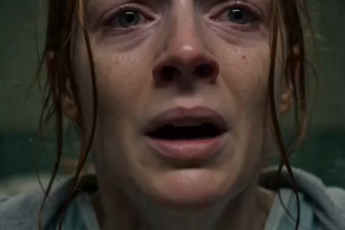
Part 1 Rain turned the Brooklyn subway stairs into a dark river. Water slid down the iron rails, gathered in the cracks of the pavement, and shivered under the headlights of passing buses. At the foot of the stairs, where commuters hurried past with collars raised and faces hidden, Sophie Hayes sat on an overturned milk crate beside a row of bright pink wafer packs. Her charcoal hoodie was soaked through. Long auburn hair clung to her cheeks, and her small hands, stiff from cold, kept arranging the candy as if neatness could make people stop. Beside her, David Hayes played a dented brass harmonica with both eyes wrapped in clean white gauze. His charcoal coat was too thin for the weather, his worn shirt damp at the collar, yet the music he pulled from the little instrument was gentle. It floated under the rain and traffic hiss, soft enough to sound like an apology. Sophie watched his fingers tremble around the harmonica and forced herself not to cry. Her father believed she sold candy to buy dinner. She let him believe that because hope was easier to carry when it had a small, harmless name.
A woman in a dark coat slowed near them. Thin glasses sat low on her nose, rain collecting along the frames. She looked at the candy, then at the bandages over David’s eyes, then at Sophie. “Here you go,” Martha Doyle said, bending down and placing a folded dollar into the girl’s palm. Sophie closed both hands around it. “Thank you.” Martha bought nothing. She did not need candy. She left because kindness, in that kind of rain, often had to keep moving before it broke down completely.
All afternoon the coins came slowly: a quarter from a student, two nickels from an old man, three damp bills from people who never looked directly at them. David kept playing until his lips were pale. Sophie kept smiling until her cheeks ached. Every time someone dropped money into her paper cup, she imagined a doctor’s hands unwrapping the darkness from her father’s face. She imagined him seeing her again. Not just knowing her by voice, not touching her hair to guess how much she had grown, but seeing her.
That night, in the cracked blue attic room they rented above a closed bakery, Sophie emptied everything onto the floor. The room smelled of dust, damp wood, and old bread that had soaked into the walls years before. A single lamp buzzed beside a thin mattress where David slept, exhausted, still holding the harmonica loosely in one hand. Sophie moved quietly so he would not wake.
She counted the money by the lamp: wet bills smoothed flat against the boards, rusty coins sorted into careful piles, pennies rescued from lint and candy crumbs. When she lost count, she started again. When tears blurred the numbers, she wiped them with the sleeve of her hoodie and whispered the total under her breath like a prayer.
In the corner sat a chipped pink piggy bank with one ear cracked and a faded smile painted across its ceramic face. Sophie lifted a coin and dropped it through the slot. It clicked inside, small and lonely. Another coin followed. Then another. Each sound seemed to promise that suffering could be measured, saved, and finally spent.
“I hope this is enough for my father’s eye surgery,” she whispered.
The piggy bank did not answer. The rain did, tapping the roof in patient little knocks. Sophie pressed both hands around the cracked ceramic and imagined it full. She did not know how long two years could become when counted one coin at a time.
Two winters passed, and David Hayes learned the shape of hope by listening to his daughter’s footsteps. There were evenings when Sophie came home coughing from rain, and mornings when she left before he could ask why her hands felt so cold. He knew she was keeping something from him, but he thought it was childish pride. She told him customers liked the wafers. She told him school could wait. She told him the piggy bank was getting heavy.
Then, one white morning in a hospital room that smelled of disinfectant and cold sheets, Dr. Samuel Price stood beside David’s bed and began to remove the bandages. David sat perfectly still. His hands clenched the blanket. He had forgotten the weight of light, forgotten that sight returned first as pain, then brightness, then shape. The gauze loosened in careful layers. The room appeared as a pale blur: ceiling panels, navy scrubs, a window full of winter sky.
David laughed once, broken and breathless. “I can see,” he said. “I can see light.”
He turned his face, searching for Sophie. He expected her near the door, too shy to rush in, smiling that tired brave smile she wore when she wanted him not to worry. The chair by the wall was empty. The corner was empty. No small hand touched his sleeve.
“Where is my daughter?” he asked.
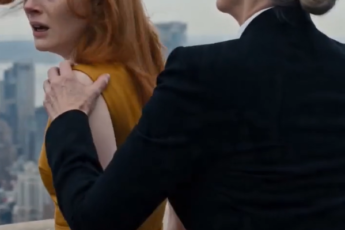
Dr. Price did not answer at once. That silence undid the miracle faster than darkness ever had. The doctor placed a hand on David’s shoulder, heavy with news he wished belonged to someone else.
“Mr. Hayes,” he said carefully, “your daughter gave everything for this surgery. She didn’t survive.”
At first David did not understand the sentence. The words seemed arranged wrong, as if grief had entered the room and moved them while no one was looking. Gave everything. Surgery. Didn’t survive. He stared at the doctor, waiting for the correction, the gentler version, the reveal that Sophie was only late or asleep down the hall.
None came.
The chipped pink piggy bank had been opened at the hospital office, Dr. Price explained in pieces David could barely hear. It had held money folded into impossible corners, coins wrapped in paper, and a note in a child’s uneven handwriting asking them to fix her father’s eyes first. There had been no dramatic donation, no rich stranger, no miracle fund. Only a little girl selling candy in rain until her body gave out under the weight of a promise.
David tore the blanket from his lap and stumbled after the doctor through corridors too bright to be real. His new sight came in cruel fragments: white walls, blue gloves, metal rails, a floor polished clean of every footprint Sophie had ever left. At the final door, Dr. Price slowed, but David pushed past him.
The morgue was quiet. A white sheet covered the small shape on the metal bed. David stopped as if the room itself had struck him. For two years he had dreamed of seeing his daughter’s face again. Now sight had returned only to show him what hope had cost.
He stepped forward and folded himself over the sheet, careful and shaking, as though even his grief might wake her if it was too loud. “Sophie,” he whispered, and then the whisper broke into a sound that no harmonica could soften.
In his coat pocket, where the nurse had placed her belongings, something ceramic knocked against his hand. David pulled out the chipped pink piggy bank, empty now, its painted smile cracked down the middle. He held it against the sheet and sobbed until the hospital lights blurred into rain.
Far away, beyond the sealed windows, Brooklyn traffic hissed over wet pavement, and somewhere under the city stairs, the world kept passing the place where a little girl had once counted love one coin at a time.